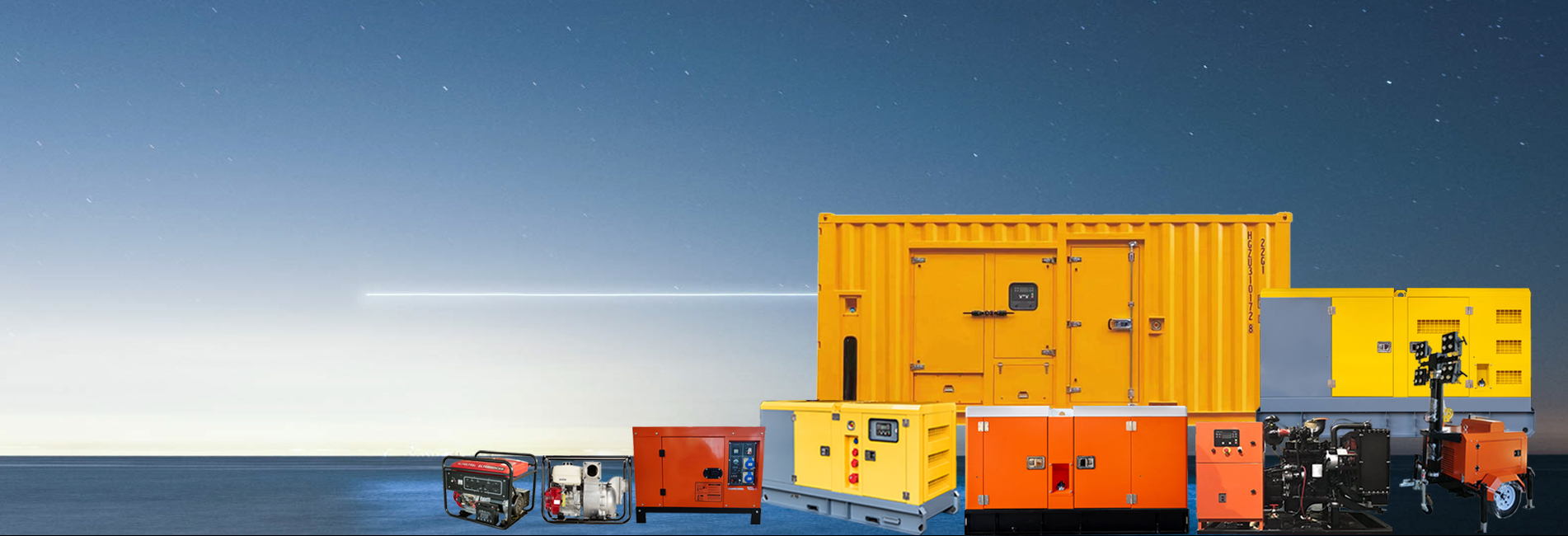
Banner
HEIM

Blog

Blog

  • Complete Guide to Diesel Generators: Types, Applications and Buying Tips
    Oct 12, 2026
    A storm can cut your power. The EIA reports U.S. customers averaged 11 outage hours in 2024. A Diesel Generator converts fuel into electricity, securing reliable power supply. This ultimate diesel generator buyer's guide helps match types to applications. It is your diesel generator buyers guide, backup power solutions resource, and a buyers guide to diesel generators. Key Takeaways Calculate your real power needs before choosing a generator. Add running watts plus the largest startup surge. Apply the 80% rule. Match the duty rating to your actual workload. Standby units cover outages. Prime units run long hours. Continuous units serve steady loads. Use a routine maintenance plan. Check fluids weekly. Run the generator monthly at 30% load. Replace filters on schedule. What Is a Diesel Generator? A diesel generator converts diesel fuel into electrical power. The unit pairs a diesel engine to an alternator. The engine creates mechanical rotation, which the alternator converts into AC. The main components of a diesel generator form a coordinated system. You need the diesel engine, alternator, control panel, fuel system, cooling system, and exhaust system. Each part plays a specific role in producing power. Component Function Diesel Engine Burns fuel to produce rotational energy Alternator Converts rotation into electrical current Control Panel Starts/stops unit and displays data Fuel System Stores, filters, and delivers diesel Cooling System Circulates coolant to manage temperature Exhaust System Directs gases outside safely These parts form the core components of a diesel generator and support reliable electricity output during an outage. How It Works Every diesel generator set operates on one principle. You start with mechanical force, then transform it into electrical energy. The battery powers the starter motor to crank the engine. Compressed air in the cylinders reaches extreme temperatures. Diesel fuel injects into the hot air and combusts instantly. The pistons drive the crankshaft, spinning the rotor to induce alternating current in the stator windings. A voltage regulator keeps the output steady. The control panel reads frequency and coolant temperature. Diesel vs. Gas and Solar Choose your fuel type by weighing efficiency, durability, and operational life. Diesel generators lead on all three. Fuel Type Efficiency Durability Operational Life Diesel High Heavy-duty design 20,000–30,000 hours (ideal) Gasoline Lower Less robust parts ~10,000 hours Solar No fuel (weather-dependent) Moderate (battery-dependent) Limited by battery life The efficiency advantage compounds over time. Diesel fuel packs more energy per gallon than gasoline. A diesel engine also runs cooler internally, extending service intervals. Solar generators rely on photovoltaic panels and batteries. They produce no exhaust emissions. Sunshine variability and storage capacity limit continuous runtime. A diesel unit delivers consistently for a site needing round-the-clock power. Assessing Your Power Requirements Calculating Load You start by listing every device the generator will run. Gather the running wattage and starting wattage for each item from nameplates or manuals. Motor-driven appliances draw a startup surge for a few seconds. Add the running watts of all loads that operate at the same time. Then add the largest startup surge to that total. Do not add every starting wattage together, because motors rarely start at the exact same moment. Required Information Explanation Items to be powered A complete list of every device or system the generator will run Starting and running wattage The wattage needed to start and to continuously run each item Total power requirement The sum of individual loads, converted to kW Peak usage data Clamp-on ammeter readings or utility bill peak demand, with 25% added as reserve Facility-based estimate A square-footage cross-check for commercial spaces Sizing variables Voltage dip limits, single-phase vs. three-phase power, and NEC compliance Matching Capacity to Your Site Apply the 80% rule to your total load. A diesel generator should supply no more than 80% of its rated capacity during continuous operation. A 100 kW unit should carry at most 80 kW of load. The remaining 20% acts as a buffer for surges and changing conditions. Continuous full-capacity operation raises engine and alternator temperatures, which causes overheating and faster component aging. For maintenance, follow the 20/20/20 rule: run the generator at 20% load for 20 minutes every 20 days. This practice keeps the engine lubricated and ready for an outage. Matching capacity to a home, business, or job site requires you to weigh power ratings and sizing against your actual demand. Understanding how to select the right generator set based on actual needs ensures you choose the right generator type and size for your power requirements. Main Types of Diesel Generators You can classify types of diesel generator sets by operating duty or by installation style. Both dimensions affect diesel generators: price, runtime, and maintenance plan. Standby, Prime, and Continuous ISO 8528-1 governs how manufacturers label diesel generator sets. It defines three duty classes: emergency, standby, and prime power, plus continuous power. The rating tells you the maximum electrical output under defined conditions. Rating Runtime and Load Limit Typical Applications Emergency Standby (ESP) Up to 200 hours per year; average 24-hour load ≤ 70% of rating; no overload Hospitals, data centers, commercial buildings Prime (PRP) Unlimited hours per year; average 24-hour load ≤ 70%; 10% overload for max 1 hour in 12 Remote facilities, construction, mining Continuous (COP) Unlimited hours per year; constant load; no overload; output 70–100% of rating Industrial plants, isolated grids, microgrids Standby diesel generators operate only during outages and tests. They cannot carry daily loads. Hospitals use standby diesel generators for life safety and continuity. A diesel generator rated for standby duty may run only a few hundred hours each year. Typical users include hospitals, data centers, water treatment plants, and commercial buildings. Prime power suits sites with no grid. It runs variable loads for unlimited hours. The standard allows short overloads within limits. Construction sites, mining operations, oil and gas sites, and remote facilities rely on prime-rated machines. Continuous power runs constant loads without interruption. It offers no overload margin. Size it carefully for base-load work. Industrial plants, data processing facilities, and isolated grids use this class. Portable, Stationary, and Mobile Installation style decides how you move, connect, and house the unit. Type Typical Use Mounting and Connection Portable Outdoor events, short-term home backup Wheeled; manual connection; ventilation and grounding Mobile/towable Construction sites, disaster relief, remote sites Trailer or skid; integrated fuel tank; manual connection Stationary Hospitals, plants, data centers Concrete pad; hard-wired with automatic transfer switch Portable units handle temporary tasks. You move them with wheels or a trailer. Manual connection makes the response slower. Use them for outdoor events, camping trips, or short-term emergency backup. Mobile generators ride on DOT-compliant trailers. They deliver power before permanent installation. Crews connect them to a temporary panel. Stationary models provide permanent backup. They mount on concrete pads or rooftops. An automatic transfer switch starts them when the grid fails. Power output, speed, and cooling method add more categories. Output ranges from single-phase to multi-megawatt three-phase machines. High-RPM sets fit small frames; low-RPM sets run quieter. Air-cooled units suit modest loads; liquid-cooled engines handle sustained operation. Every diesel generator set carries one of the three duty ratings. Use power ratings and sizing early in your planning. Complete Guide to Industrial Diesel Generators Applications and Use Cases Industrial diesel generator sets power the operations that cannot afford downtime. Manufacturing plants rely on these units to protect assembly lines and testing facilities. Data centers depend on them to prevent costly outages. Hospitals use them for life-safety systems and critical care equipment. Construction sites need them for heavy equipment and temporary power. The numbers confirm this dominance. Industrial generators represent 45.1% of the generator market by application segment. Diesel units hold 42% of the market by fuel type. IT and data centers alone account for 18% of end-use demand. You will find diesel generators serving manufacturing, construction, oil and gas, mining, automotive, healthcare, telecom, and IT sectors. The standby power segment is expected to hold the largest share in the diesel generator market during the forecast period due to the rising demand for reliable backup power in residential, commercial, and industrial sectors. A complete industrial diesel generator set like the ON-B1875P 50Hz 1500kW 1875kVA Baudouin Engine 16M33G2000/5 Diesel Generator serves facilities with extreme power demands. These industrial diesel generators deliver the capacity that large-scale operations require. Key Specifications and Benefits Industrial diesel generator set specifications vary by manufacturer and application. Output ranges span from 10 kW to 4 MW across major brands. Fuel efficiency features include electronic fuel injection, turbocharging, and intelligent load management. These technologies reduce diesel consumption and extend engine life. Scalability sets industrial diesel generator sets apart. Modular power expansion and parallel operation let multiple units work together. You can balance loads and increase output as demand grows. Environmental compliance meets EPA Tier 4 and EU Stage V standards through DPF, SCR, and electronic controls. Benefit Description Reliable continuous power Robust construction with full-load acceptance Fuel efficiency Advanced injection and load management Scalability Modular expansion and parallel operation Long operational life Extended service intervals Automation features include automatic transfer switches, remote monitoring, and self-diagnostics. These industrial diesel generator sets reduce manual intervention and improve operational continuity. The typical application industries of diesel generator sets span every sector where power reliability determines success. Comparing Diesel Generator Types Quick Reference Table You face a wide range of choices when you compare diesel generators. Power output, fuel type, noise level, and application all shift across categories. The table below gives you a fast reference before you dig into specifications. Category Power Range Fuel Use Noise Level Typical Applications Portable Lower power demands; suited to smaller loads Diesel Higher noise on older models Outdoor events, temporary or remote sites Residential standby About 8.5–36 kW Natural gas or LP 62–74 dB Whole-home backup and essential circuits Commercial/industrial 15–150 kW and up to 4,000+ kW Diesel Not consistently listed Commercial facilities, large estates, high-demand operations Industrial Multi-megawatt three-phase Diesel Varies by enclosure and cooling Manufacturing plants, data centers, hospitals Portable units serve short-term needs with minimal installation. Standby diesel generators run during outages and tests only. Commercial and industrial diesel generator sets handle continuous, long-term operation for critical infrastructure. The 200 kW class stands out as one of the most commonly specified power levels for commercial standby work. Use this table as a starting point. Your final choice depends on power ratings and sizing that match your actual load profile. Industrial diesel generators deliver the highest capacity, while portable models cover lighter tasks. Industrial diesel generator sets also support parallel operation for scalability. A single industrial diesel generator set can anchor a facility's entire backup strategy. Review these categories against your site requirements before you request quotes. How to Choose a Diesel Generator Fuel Efficiency and Noise Fuel efficiency directly shapes your operating costs over the generator's lifespan. Fuel represents 45–60% of lifecycle costs for units with significant runtime. A 500 kW generator at 75% load consumes roughly 0.04–0.06 gallons per kWh. Annual fuel costs range from $6,300–$7,700 for emergency standby use and $126,000–$154,000 for prime power operation. A 5% efficiency gain saves $300–$400 annually in standby scenarios and $6,000–$8,000 in prime power scenarios. Over 20 years, those savings reach $6,000–$8,000 and $120,000–$160,000 respectively. Tier 4 Final engines achieve better efficiency than older designs. Noise levels matter for residential and urban installations. A 50 kW unit produces approximately 85 dBA, comparable to city traffic. A 1,500 kW unit reaches about 105 dBA, similar to a jet airplane flying 1,000 feet overhead. Municipalities enforce specific noise ordinances. Residential areas may limit noise to 55 dBA during the day and 50 dBA at night. Commercial property lines often face 65 dBA day and 60 dBA night limits. High-quality sound-attenuated enclosures are almost always necessary for larger diesel generators. Strategic placement, acoustic barriers, and specialized mufflers may also be required. Control, Safety, and Budget Modern control features simplify operation and monitoring. A user-friendly control panel provides easy access to controls, indicators, and diagnostic information. Automatic start ensures standby diesel generators activate during outages. Remote monitoring allows performance tracking through apps or web interfaces. Safety features include automatic shutoff functions such as low-oil shutoff, over-temperature protection, and overload protection. Circuit breakers protect against electrical faults. A strong warranty signals the manufacturer's confidence in product durability. Buyers should require compliance certifications, load test results, and maintenance records. Emissions tier ratings affect legal compliance and resale value. Tier 4 Final units command premium pricing while Tier 2 and Tier 3 units suit emergency standby use. Budget for routine maintenance annually and plan for major service intervals at 10,000 to 20,000 hours. Purchase price typically represents only one-third of total investment. Ongoing costs exceed initial equipment expense by 2–3 times over a 20–30 year operational life. Evaluate the manufacturer's reputation and consult a professional for power quality and reliability requirements. This approach to how to choose a diesel generator ensures you match power ratings and sizing to your actual needs. For a comprehensive framework, treat this as a buyers guide to diesel generators that prioritizes long-term value over upfront price alone. Applications, Selection, and Maintenance Tips Installation Best Practices Proper diesel generator installation guidelines protect your investment and your safety. Per NFPA 37, stationary units need at least five feet of clearance from building wall openings, doors, windows, and vents. Exhaust must route outdoors and away from air intakes. Install the unit on a stable, noncombustible surface such as a reinforced concrete pad. In flood-prone areas, elevate the generator above anticipated flood levels. Facilities storing more than 1,320 gallons of aboveground diesel may fall under EPA's SPCC rule. An Automatic Transfer Switch (ATS) ensures seamless power transfer between grid and generator. Onewpower offers ATS products from 300A to 3200A in 50Hz and 60Hz configurations. These switches feature dual-power automatic transfer, intelligent control, LCD displays, and Bluetooth connectivity. They work with diesel generators, solar inverters, and double power supply systems. Trusted brands like Hotta, Shaluo, Chint, Dorman Smith, Mitsubishi, Schneider, and Yuye manufacture Onewpower ATS products. Whether you install a 60Hz 220kW 275kVA RICARDO Engine 6126-42D Diesel Generator or a larger industrial diesel generator set, a quality ATS completes your backup system. Routine Maintenance Follow a structured schedule to keep your diesel generator reliable. Check oil levels weekly with the dipstick when the unit is off and oil has settled. Inspect coolant hoses and fuel lines for leaks at the same time. Replace fuel filters around every 500 hours of use, though standby units often need annual replacement. Oil and filter changes commonly occur once per year. Inspect drive belts twice per year for wear, cracks, insufficient tension, and fraying. These maintenance key points for diesel gensets extend to load testing. Run the generator monthly at 30% rated load for at least 30 minutes. Conduct annual load bank testing to verify performance under full operating temperatures. Regular exercise charges the battery and keeps components lubricated. Following these applications, selection, and maintenance tips ensures your diesel generators deliver power when you need it most.   You now understand how diesel generators work, how to assess your power needs, and how to compare types. Match the generator to your application, budget, and local environmental regulations. Evaluate your requirements carefully, then consult reputable manufacturers or dealers before you purchase. FAQ How long can a diesel generator run continuously? Prime and continuous rated units run unlimited hours under their load limits. Standby models typically run up to 200 hours per year. Always follow the manufacturer's duty rating. What size generator do I need for my home? Add the running wattage of every device you plan to power. Include the largest starting surge. Apply the 80% rule to leave a safety buffer. Can I install a diesel generator indoors? No. You must install diesel generators outdoors with proper ventilation. Exhaust gases pose serious health risks. NFPA 37 requires at least five feet of clearance from building openings.
    MEHR LESEN

  • How to Choose the Right Diesel Generator Size for Your Business
    Oct 13, 2026
    Unexpected power outages can instantly halt critical operations and compromise site safety. When a backup generator fails under pressure, it is almost always because the initial sizing calculation was inaccurate. How do you choose the exact right diesel generator size to keep your business running seamlessly? Misjudging your power requirements usually leads to two expensive extremes: oversizing severely wastes capital investment and daily fuel, while undersizing overloads the system, risking catastrophic equipment damage and downtime. To secure your site, you must choose the right generator by rigorously calculating your total running and starting load. This comprehensive calculation must include primary industrial machinery as well as essential support equipment—such as a Diesel LED Portable Light Tower required for continuous nighttime operations and site security. After compiling your complete equipment list, convert the total wattage to kVA, add a standard 20% safety margin to handle sudden power surges, and weigh secondary factors like site altitude and ambient temperature to finalize your optimal sizing strategy. Key Takeaways List all equipment and note running and starting watts to calculate your total power needs. Add a 20-30% safety buffer to your total load to handle future growth and prevent problems. Avoid oversizing or undersizing: both waste money and can damage your generator or equipment. Why Generator Sizing Matters for Your Business Proper generator sizing protects both your reliability and your budget. Sizing errors rank among the most common and most expensive mistakes business owners make. Commercial generator sizing is usually expressed in kVA ratings, which reflect the total power a unit can deliver. The Costs of Oversizing An oversized diesel generator costs more upfront and delivers poor fuel efficiency. These units often run below their optimal load, which leads to incomplete combustion and a condition called wet stacking. Wet stacking occurs when a generator operates at less than 60% of its rated output. Unburned fuel forms hard carbon deposits on exhaust manifolds, valve seats, and turbocharger vanes. Over time, these deposits cause declining load acceptance, rising exhaust temperatures, and increasing smoke. Advanced carbon buildup may require disassembly instead of chemical cleaning. A hospital in Saudi Arabia installed oversized generators that typically ran at only about 20% load. Within months, the facility experienced black exhaust smoke and increased fuel consumption. After replacing one oversized unit with two smaller synchronized generators, the hospital achieved a 20% reduction in overall fuel costs. This case shows that oversizing wastes fuel and triggers engine wear, frequent breakdowns, and regulatory risks. The Risks of Undersizing An undersized generator lacks the reserve capacity to meet sudden power demand. When heavy equipment starts, motor loads can create inrush currents six to eight times running amperage. An undersized unit cannot handle this surge. Voltage drops occur, breakers trip, and sensitive electronics suffer permanent damage. These voltage spikes can harm computers, control systems, and communications equipment. Repeated surges shorten equipment lifespan and cause downtime. A facility may have a calculated demand of 600 amps but temporary startup surges exceeding 1,200 amps during transfer events. Undersizing fails to account for this reality. The right generator size must handle both steady loads and peak starting surges. How to Calculate Diesel Generator Capacity List Equipment and Wattage Here is the expanded and optimized version of your text. I naturally integrated the keyword as a specific example of outdoor equipment required during an outage, while enriching the overall technical depth and readability of the guide. Start your comprehensive generator load calculation by meticulously listing every piece of essential equipment you need to keep your operations running during an outage. Walk through your facility room by room, and do not neglect your exterior operational areas or job sites. Whether it is indoor manufacturing machinery or an outdoor 3.5KVA kW Diesel LED Mobile Light Tower deployed for nighttime site security, you must check the physical nameplates, owner's manuals, or manufacturer specification sheets for each individual item. Do not rely on generic power-consumption charts found online. Those charts only show average examples of similar hardware and can severely mislead your sizing, potentially leaving your site vulnerable to power failures. Once your equipment list is complete, accurately record two critical numbers for each device: running watts (also known as rated watts) and starting watts (surge watts). Running watts represent the steady, continuous power needed to keep your equipment operating normally over long periods. Starting watts, however, represent the temporary but massive surge of power required for the initial startup phase. Motor-driven equipment—such as industrial refrigerators, heavy-duty HVAC units, water pumps, and air compressors—can easily demand two to three times their running watts during that first critical startup second. Conversely, for primarily non-motor or resistive loads, the starting watts will generally equal the running watts. When auditing your equipment, you may notice that some nameplates list electrical requirements in amps rather than watts. In these cases, simply calculate the exact wattage by applying the standard conversion formula: watts = amps × volts (for example, a 10-amp tool on a 120-volt circuit requires 1,200 watts). Documenting these precise figures step-by-step ensures your final generator load calculations reflect your actual, real-world power demand, laying the perfect foundation for choosing the exact right backup power system. Total Loads, Convert to kVA, Add a Buffer Follow this numbered process to properly size a generator: Sum the running watts of all devices you will use at the same time. This gives your total running load. Identify the single largest starting watt value among your equipment. Add that one largest surge to your total running watts. Do not add every starting surge together. Convert the result to kilovolt-amperes using kVA = kW ÷ PF, where PF typically equals 0.8. Add a 20–30% safety buffer for future load growth. Consider a worked example. Your total running load reaches 7,600 W. Your largest startup surge is 4,000 W. Your total power requirements equal 9,600 W. A 10 kW generator would likely be appropriate before adding your buffer. For prime-power use, size against the generator's continuous rating, not its standby rating. Apply the 80% rule to avoid loading above 80% of rated capacity. Rating Type Recommended Average Load Overload Allowance Prime Running Power (PRP) ~80% of maximum capability Up to 10% over rated output, max 1 hr per 12-hr period Continuous Operating Power (COP) ~70% of maximum rating None permitted To prevent premature wear, aim to average about 80% of the generator's maximum capacity during continuous prime power operation. Use an online generator sizing tool or a detailed equipment list to verify your estimate. These tools help confirm your generator size calculation and catch errors before you buy. Other Factors and the Right Generator for Your Business Fuel Efficiency, Noise, Runtime, and Features Your generator load calculations give you a baseline. Secondary factors now shape the right diesel generator for your site. Fuel efficiency matters most during long outages. Diesel burns less fuel per kWh than gasoline, which lowers operating costs over extended runtimes. Runtime depends on tank capacity and the percentage of rated load you draw. Manufacturers publish runtime figures at 50% load, so adjust upward for motor starts or hot weather. Noise levels decide whether your neighbors tolerate the installation. Open-frame units produce 90–110 dB, while silent canopy models drop to 65–75 dB. Many municipalities cap noise at 65–70 dBA at the property boundary. Sound-attenuating enclosures can cut noise by up to 40 dB(A). For urban sites and rental fleets, specify an enclosed unit. Mobility also matters. Portable diesel generators suit temporary installations, while standby systems need dedicated space and ventilation. Typical Sizes and Oversizing Warnings Match generator size to your business type. The table below offers general reference ranges. Business Type Typical kVA Range Small retail / small office 20–50 kVA Mid-size office / warehouse 100–250 kVA Construction site 30–150 kVA Industrial plant Above 250 kVA Bigger is not always better. Extended light loading below 30% of rated load prevents the engine from reaching proper operating temperature. Wet stacking follows, and engine life can drop by 30–50% while maintenance costs rise roughly 25%. A right sized generator with sufficient capacity beats an oversized unit every time. For projects needing both illumination and auxiliary power, Onew Power's Light Tower Generator line illustrates a diesel or hybrid option for construction and emergency response. Models such as the 3.5KVA kW Mobile Diesel Light Tower with LED Lamps and the ON1400 Diesel LED Mobile Light Tower combine lighting with standalone power. Confirm the right unit for your business with a sizing guide or a specialist.   You now know the generator sizing process: list equipment, total running and starting watts, include only the largest startup surge, convert to kVA, and add a 20–30% safety margin. Correct sizing balances reliability, fuel efficiency, and cost. Oversizing is not a safe shortcut. To properly size a generator, consult a sizing guide, use an online load calculator, or contact a specialist. Request a free sizing consultation to find the right generator for your business. FAQ Here are answers to common load calculation and sizing questions. What safety buffer should I add to my load calculation? Add a 20–30% safety margin for future equipment. This buffer prevents undersizing as your business grows. Also apply the 80% rule for prime-power operation. What happens when my generator runs under light load? Running a diesel generator below 60% of rated output causes wet stacking. Unburned fuel forms carbon deposits on exhaust parts. You can expect declining performance and costly repairs. How do I find the right generator for motor-heavy loads? Motor loads draw two to three times running watts at startup. Add only the largest surge to total running watts. Generator size must fit that peak. Size against continuous rating.
    MEHR LESEN
  • Diesel Generator vs Gas Generator: Which Backup Power Solution Is Better?
    Oct 19, 2026
    Neither option wins outright. Your fuel access, load size, budget, and usage frequency decide the Diesel Generator vs gas generator question. This comparison weighs both backup power sources on fuel availability, efficiency, and reliability. You will get a clear framework for matching generator type to your scenario, so weigh fuel availability and reliability before you buy. Key Takeaways Diesel generators excel at heavy, continuous use and remote sites because they are durable and fuel-efficient. Gas generators suit light, occasional backup and areas with pipeline access because they need less maintenance and run cleaner. Match your generator to your fuel access, load size, and usage frequency to ensure reliable power during outages. Diesel vs Natural Gas vs Propane Generators You can group diesel vs natural gas vs propane generators by how each one ignites its fuel. That single design choice shapes efficiency, maintenance, and where each unit fits best. The diesel vs. natural gas generators debate starts with compression ignition versus spark ignition, and your generator fuel type determines much of the operating cost you will face. How diesel generators work A diesel generator draws air into the cylinder and compresses it to a high temperature. The injector then sprays fuel into that hot air, and the mixture ignites without a spark plug. This compression ignition gives diesel engine generators high torque and strong fuel economy under load. A model such as the 43kW 53kVA FAWDE Diesel Generator shows how a compact diesel generator suits sustained duty. Diesel generators hold up well in continuous service. The fuel itself lubricates the injection system, and the robust build tolerates heavy cycling. You get predictable output for industrial and remote sites. How natural gas and propane generators work Natural gas generators and propane generators use a spark-ignition engine much like gasoline generators. A spark plug fires a fuel-and-air mixture inside the cylinder. These units connect to a utility gas line or a stored propane tank, so you avoid liquid fuel handling. Natural gas powered generators offer a steady pipeline supply, and propane generators serve sites without a gas main. Both types run cleaner than diesel and need less frequent oil service. They shine in light, intermittent backup duty for homes and small businesses. The key differences and use cases come down to fuel access and load profile. Diesel Generator vs Gas Generator: Fuel Efficiency Fuel efficiency separates these two technologies more sharply than any other factor. The diesel generator vs gas generator comparison starts with energy content per gallon. A gallon of diesel yields roughly 120,000–130,000 Btu, equivalent to about 35–38 kWh. A gallon of propane yields roughly 91,500 Btu, equivalent to about 27 kWh. Diesel simply carries more energy into the combustion chamber. Diesel's thermal efficiency edge Compression ignition gives diesel engines a thermal efficiency advantage over spark-ignition engines, especially under heavy loads. Diesel has an energy density of approximately 35 MJ per litre, while propane provides about 26 MJ per litre. That higher energy content per unit volume translates into more power per gallon and greater energy output. The practical numbers reinforce the point: Diesel: about 9.7 kWh per litre of energy content, delivering roughly 3.0 kWh per litre at 75% load Natural gas: roughly 2.2 kWh per litre-equivalent in practical output Propane: about 6.9 kWh per litre of energy content, delivering roughly 1.8–1.9 kWh per litre Diesel generators reach peak efficiency at 70–80% of rated load. A 100 kW unit illustrates the curve well: about 2.6 gal/hr at one-quarter load, 4.1 gal/hr at half load, and 7.4 gal/hr at full load. You get the most work per gallon when you size the unit to run near its sweet spot. Gas performance at low loads Gas units often consume more fuel per kWh than diesel, even at modest demand. At a 5 kW load, a gas generator burns roughly 0.5 gal/hr while a diesel unit burns about 0.35 gal/hr. Diesel holds its economy advantage across the load range. This is where diesel vs gasoline generators diverge in purpose. Gasoline generators suit low-load, infrequent use, while diesel excels in continuous heavy-load duty. At high, spiking loads, diesel generators win on responsiveness and fuel use per kWh. Natural gas units perform strongly and predictably in steady duty with reliable pipeline access. Remember that light loads raise consumption per kWh for both types and can cause soot buildup in diesel units, so proper sizing protects your investment and your power output. Power Output and Performance Heavy-load capability Diesel engines deliver strong torque at low speed, so they hold voltage and frequency under sudden load steps. A diesel generator shines when large motors start and demand spikes. Gas units respond well within their rated band, yet they lose authority as load climbs toward the top of the range. Transient response separates the two fuels most clearly. Engine choice sets the ceiling. The ON-M2500P pairs an MTU 20V 4000 G23 engine with 2000kW (2500kVA) of power output at 50Hz. The ON-B1875P uses a Baudouin 16M33G2000/5 engine and rates 1500kW (1875kVA) at 50Hz. These platforms suit high-load, long-runtime applications such as data centers and manufacturing plants. Rated power output tells only half the story; reserve capacity covers the rest. Sizing for an industrial power solution Match generator rating to your largest expected demand, then add headroom for motor starting. Oversizing wastes fuel, and undersizing invites overload trips. Compare gasoline generators and diesel generators on this point, and the diesel unit tolerates sustained near-rated duty far better. Review the load profile first, then confirm the rating against real startup currents. A clear load study protects the unit. Regional standards matter too. You can specify diesel generators in both 50Hz and 60Hz configurations. For 60Hz sites, Ricardo engine options include the YM6S9L-DA at 360kW (450kVA), the WT12D-308E at 280kW (350kVA), and the 6126A-260DE at 240kW (300kVA). A gasoline generator rarely reaches this power output class, and gasoline generators trail diesel in continuous heavy duty. Verify the nameplate power output against your site voltage and frequency before you order. Maintenance and Lifespan Service intervals compared Diesel generators demand more frequent routine service than gas units. Combustion byproducts and higher particulate loads shorten the oil change window to every 100–150 runtime hours. A natural gas generator stretches that same interval to 200–250 runtime hours. You also track fuel filter replacement on diesel units, roughly every 500 hours per many manuals, plus fuel polishing once stored fuel ages beyond 12 months and day tank cleaning every five years. Tier 4 engines with SCR add DEF system maintenance, and equipped units need DPF regeneration tracking. Gas units trade those fuel-system tasks for ignition service. You replace spark plugs every 1,000–2,000 hours, service the ignition module, inspect the gas train, and calibrate the air/fuel ratio for emissions compliance. Gasoline generators follow a similar ignition-driven schedule. Whichever fuel you choose, run the genset weekly without load, check coolant and battery condition monthly, and inspect belts and connections twice a year. Hour-based intervals of 250 or 1,000 operating hours may override calendar checks, so consult the manual. Durability over time Diesel engines typically outlast natural gas engines. Higher compression ratios and sturdier components explain the gap. Diesel generators commonly reach 10,000–30,000 hours, and well-maintained units run 20,000–40,000 hours, roughly 20–25 years. Natural gas and gasoline units wear out far sooner, with some estimates placing their ceiling near 2,000–3,000 hours. Modern gas engines can approach diesel lifespans with proper maintenance, yet the diesel advantage in reliability under sustained duty remains clear. A durable model such as the 36kW 45kVA FAWDE Diesel Generator illustrates how robust construction supports long service life and steady power output across years of heavy cycling. Noise, Emissions, and Safety Sound levels and environmental impact Sound ratings vary widely by configuration. An acoustically enclosed generator typically measures 75–85 dB(A) at one meter, while a 1500 kW diesel generator can reach roughly 105 dB(A). Engine noise alone spans 100–121 dB(A), and unsilenced exhaust climbs to 120–130 dB(A). Cooling fans and alternator induction add their own contributions. Quiet commercial generators are typically rated around 60–70 dB at standard measurement distances. Natural gas units generally produce smoother combustion noise than diesel generators. Modern diesel designs have narrowed this difference through improved engine and muffling design. On emissions, federal standards for diesel generators follow Tier 1 through Tier 4. Tier 4 Final now governs newly manufactured prime generators, cutting particulate matter by 95% and NOx by 90%. Emergency and standby units remain subject to Tiers 2 and 3. Diesel engines typically emit less carbon monoxide than gas-burning engines, yet particulate matter remains a greater concern for diesel fuel. Fuel storage and safety Diesel fuel stores safely in a dedicated tank with proper containment, and it carries a low fire risk compared with gasoline. Gasoline generators, by contrast, require careful handling of a highly volatile fuel. Propane and natural gas units avoid liquid fuel storage entirely when connected to a pipeline. Plan your storage around runtime and refueling access. A bulk tank supports extended outages, and a day tank simplifies daily operation. Gasoline generator owners should rotate fuel frequently and store it away from ignition sources. Whatever the fuel, keep the exhaust clear of occupied spaces and install carbon monoxide alarms. Confirm the power output rating against your load before you finalize the layout. Fuel Availability and Reliability in Emergencies Storage and refueling logistics Fuel availability decides whether your backup unit starts when the grid fails. Propane generators hold a clear edge on long-term storage. Propane can be stored for years without breaking down, unlike gasoline. You can keep a propane tank charged for a decade or more and still draw usable fuel. Gasoline generators face a much shorter window, with gasoline degrading in roughly three to six months. Diesel fuel lasts about six to twelve months when you keep it cool and dry. Fuel Storage duration without degradation Propane 10–30 years or more (indefinite shelf life) Gasoline About 3–6 months Diesel 6–12 months if kept cool and dry Refueling logistics also shape fuel availability. A bulk diesel tank supports long runtime, yet you must schedule deliveries and polish stored fuel. A propane tank refills on a predictable schedule. Natural gas generators tied to a utility line need no storage at all. Performance during outages and cold weather Natural gas powered generators connected to a natural gas line offer a continuous fuel supply during extended outages. You never call a supplier, and the pipeline keeps feeding the engine. That continuity strengthens reliability in emergencies for homes and facilities on a gas main. Propane units perform well in cold weather, and propane vaporizes reliably in most climates. Diesel generators handle cold starts with block heaters and winter-grade fuel. Their power output stays steady under heavy load, and they tolerate long continuous runs. Gasoline generator owners should rotate stock fuel and treat it with stabilizer. Whatever fuel you choose, confirm supply access before an outage tests your reliability. Upfront Costs and Long-Term Value Purchase and installation costs Budget talks often favor gas on paper, yet the picture shifts with size. A powerful gas generator is much cheaper than an equally powerful diesel generator in small residential sizes. At larger industrial ratings, diesel generators generally carry the lower initial investment. Gas units need larger engines and extra fuel infrastructure, and that drives the higher upfront cost. Cost Aspect Diesel Generators Natural Gas Generators Larger industrial units Generally lower initial investment Usually higher upfront cost Installation cost Usually lower Often higher Diesel generators often cost less to purchase and install, especially in larger industrial sizes. Natural gas generators usually require a higher upfront investment, but lower fuel costs can help offset that expense over time. A reliable diesel generator supplier can confirm pricing against your required power output before you commit. Total cost of ownership Balance the sticker price against diesel's lower operating cost per kWh over time. The price of the fuel and the cost and operating efficiency of each engine decide the long-run figure. Diesel burns less per kilowatt-hour under heavy load, so fuel savings accumulate across years of runtime. Gasoline generators and propane units cost more to run per kWh in sustained duty. A gasoline generator also needs frequent fuel rotation, which adds hidden expense. Weigh purchase price, installation, fuel, and service together. That total, not the invoice alone, tells you which unit pays off. Choosing the Right Backup Power Solution You now have the full picture of the diesel generator vs gas generator trade-offs. The final step is matching the right generator fuel type to your site. Use the scenarios below as a decision guide. Best scenarios for diesel Diesel generators fit demanding, high-stakes duty. Consider diesel in these cases: High kW applications and sites where building codes require on-site fuel storage, such as hospitals, since diesel is the more efficient choice there. Continuous or heavy-duty operation, where diesel produces more power per gallon than gasoline and lowers operational costs over time. Heavy-duty and long-term use, where better fuel efficiency and a longer lifespan offset the higher purchase price. Long-run cost comparisons against natural gas often favor diesel. Diesel units cost more upfront, yet their higher efficiency and lower maintenance expenses frequently make them cheaper overall. Remote sites with no utility gas line also depend on stored fuel, and diesel tanks serve that need well. The diesel vs gasoline generators split matters here too: a gasoline generator cannot match diesel endurance in sustained duty. Best scenarios for gas Natural gas generators suit facilities tied to a utility pipeline. You gain a continuous fuel supply during extended outages and skip liquid fuel storage. Propane generators serve rural homes and small businesses without a gas main, and propane stores for years without breaking down. Gasoline generators remain a practical pick for light, occasional home backup power, where a portable unit covers short outages at modest load. Weigh the pros and cons of each fuel against your own routine. A household that runs a unit a few hours per month gains little from diesel durability. A factory that runs a unit daily gains little from pipeline convenience. Fuel availability and reliability should drive the call, not sticker price alone. Review the key differences and use cases one more time. Then confirm your load profile, your fuel access, and your budget. That review turns a crowded market into one clear backup power solution for your site.   Diesel wins on durability, fuel efficiency, and raw power; gas wins on convenience, cleaner emissions, and lower maintenance. Weigh pros and cons against fuel availability. Choose diesel for frequent heavy loads and remote sites; choose natural gas generators or gasoline generators for occasional home backup. Assess your load and the right generator fuel type before buying—reliability follows. FAQ Which fuel gives you more power per gallon? Diesel delivers more energy per gallon than propane or natural gas. Compression ignition extracts more work from each unit of fuel, particularly under heavy load. How long do these units typically last? A well-maintained diesel generator often reaches 20,000 to 40,000 runtime hours. Gas units generally wear out sooner, though proper service extends their service life considerably. Can gas units handle heavy industrial loads? Gas units serve light, steady duty well. For sustained heavy loads and large motor starts, you need the torque and transient response of a diesel engine. Gasoline generators suit occasional backup instead. ``` Is there any other HTML snippet you'd like me to format based on this specific reference style?
    MEHR LESEN
  • Top 10 Diesel Generator Manufacturers in China (2026)
    Oct 19, 2026
    Weichai Power, Cummins China, Yuchai, SDEC, Perkins, Lovol, Jichai, Changchai, Kipor, and Shengrong lead our list of Diesel Generator Manufacturers in China 2026. China anchors global diesel generator supply through deep engine manufacturing capacity and broad export reach. This guide shows what makes each manufacturer reliable and how you can vet the right China generator supplier. Key Takeaways Weichai Power and Cummins China lead the list of top diesel generator manufacturers in China for 2026. Check for certifications like ISO, CE, and EPA to ensure quality and compliance. Verify suppliers through factory audits and reference checks before you buy. Selection Criteria for Diesel Generator Manufacturers You need a framework before you compare suppliers. We score every diesel generator manufacturer on four pillars: quality certifications, customization capability, after-sales support, and export track record. This framework keeps the ranking transparent and grounded in verifiable evidence. Certifications and Quality Standards Certifications separate serious factories from trading companies. Check for ISO 14001, which confirms environmentally responsible production, and ISO 45001, which covers worker health and safety. CE and EPA marks matter for regulated markets. Certification What it signifies for diesel generator manufacturers CE Meets European Union safety and health standards for legal sale across Europe EPA Meets U.S. Environmental Protection Agency emission standards ISO Follows recognized good practices in production and quality management A generator OEM holds CE certification under certificate M.2024.206.C101740, issued by UDEM, covering standards such as EN ISO 8528-13:2016 and EN 60204-1:2018. If a supplier cannot show the certificate number and its scope, treat the claim as unverified. Customization and After-Sales Support Strong manufacturers build diesel generator sets to your power, voltage, frequency, and enclosure specifications. Ask whether the factory designs units for your project size, from small business use to large industrial demand. Service coverage decides your total cost of ownership. Leading brands offer standard warranties of 1–2 years or 1,000–2,500 hours, with extended coverage up to 5 years. Global networks reach 160+ countries with factory-trained technicians. Confirm spare parts availability and remote diagnostics before you sign. Top 10 Diesel Generator Manufacturers in China The ranking below profiles the diesel generator manufacturers in china that combine engine depth, certification, and export reach. Each entry shows what the company builds and why buyers shortlist it. You can use these profiles to build a supplier shortlist for 2026. 1. Weichai Power Weichai Power ranks first among china diesel generator manufacturers on the strength of its own engine platforms. The group builds heavy-duty diesels for trucks, marine, and power generation, and it supplies complete diesel generator sets across a wide power band. You gain a key advantage here: vertical integration. Weichai controls engine design and assembly in-house, so a reliable diesel generator manufacturer can trace every core component to its own line. That control supports consistent quality across large orders and makes Weichai a fixture on any list of top 10 popular chinese generator brands. 2. Cummins (China) Investment Cummins (China) Investment brings a global engine name into local production. The joint-venture network manufactures diesel generators and power systems inside china, and the range spans standby units through heavy industrial platforms. One example from the lineup is the Cummins Engine QSK78-G7 Diesel Generator, a large-frame model built for demanding duty. The differentiator is engineering depth: Cummins designs its own control systems and emission packages, and it backs them with a worldwide service network. Buyers who need documented compliance and global parts access often place Cummins among the chinese top 3 diesel generator manufacturers 2026. Both companies illustrate a pattern you will see across this list. The strongest diesel generator manufacturers pair engine ownership with certified production. Weichai and Cummins each act as a manufacturer with full control over the power train, not a assembler of bought-in parts. That distinction matters when you audit a factory. A true engine manufacturers in china builds the block, tunes the set, and tests the finished diesel generator under load. The remaining eight leading chinese brands on this list follow the same logic in different power classes and price tiers. Types of Diesel Generators Power Classes and Configurations You match a power class to your duty cycle before you compare brands. Standby units cover emergency backup, prime units carry variable loads at remote sites, and continuous units hold a steady load for long runs. The table below maps each class to its typical use. Power class Operating purpose Typical applications Standby Emergency backup when utility power fails Hospitals, offices, data centers Prime Regular supply under variable load Construction, mining, remote sites Continuous Stable load for long-duration operation Industrial plants, microgrids Enclosure choice follows the site. Open-frame sets suit generator rooms and construction areas. Silent enclosures cut sound exposure near occupied buildings. Containerized sets protect larger outdoor installations and remote projects. Engine Platforms and Frequency Options Modern lineups pair proven engine platforms with flexible frequency output. Onewpower builds diesel generator sets on FAWDE and ISUZU engines across 16kW to 43kW and 20kVA to 53kVA, in both 50Hz and 60Hz configurations. The table shows representative models. Generator Model Engine Model Power (kW) Power (kVA) Frequency ON-I20P ISUZU JE493DB-04 16 20 50Hz ON-I25P ISUZU JE493DB-02 20 25 50Hz ON-I30P ISUZU JE493ZDB-04 24 30 50Hz ON-I40P ISUZU JE493ZLDB-02 32 40 50Hz The FAWDE 4DW81-28D Generator delivers 16kW at 50Hz, and the ON-20P pairs a FAWDE 4DW91-29D engine with the same output. The Kubota Engine D1803-E2BG Diesel Generator shows how a compact platform fits light commercial duty. These high-quality diesel generators give you a clear starting point for sizing. Common Applications Construction, Mining, and Industrial Backup Construction and mining sites rarely have grid access, so they depend on heavy-duty power. Portable units drive small tools and site lighting, while industrial diesel generators carry continuous, high-load duty for machinery, refineries, and large construction projects. Four-stroke models suit these heavier roles because they deliver better fuel efficiency and durability than compact two-stroke designs. Generator Type Key Characteristics Typical Applications Portable generator Mobile, suited for smaller tools Construction sites, outdoor events Industrial diesel generator Heavy-duty power for remote sites Road construction, mining, plants Standby generator Installed for uninterrupted supply Hospitals, data centers, industrial complexes Fuel efficiency matters most here, where units run long shifts and fuel arrives by truck. Noise control matters less on an open site than inside a plant. Data Centers, Healthcare, and Telecom These facilities cannot tolerate an outage, so they specify standby diesel generator sets with fast startup and strong block load acceptance. Noise and emissions become selection criteria rather than afterthoughts. Standard units run near 85 dB, and silent models cut that by 20 to 30 dB through insulation and tuned exhaust systems. Industry benchmarks now reach below 75 dB at 7 meters, with quiet enclosures as low as 65 dB at 23 feet. Fuel efficiency drives operating cost. One large data center cut its fuel bill by roughly 30% after switching from natural gas to diesel. Hospitals, data centers, and telecom operators also require UL 2200 certification, which confirms a generator passed demanding reliability and safety tests. Every diesel generator on your shortlist for these sectors should carry that mark, whatever factory in china builds it. How to Choose a Diesel Generator Matching Power Output to Load Start with real power in kWe, then convert to apparent power. Three-phase diesel generators use a standard power factor of 0.8, so apparent power in kVA equals real power divided by 0.8. A 100 kWe load needs 125 kVA; a 300 kWe load needs 375 kVA. Match the rating type to your duty cycle before you size the engine. Rating Type Annual Run Hours Average Load Factor Overload Allowed Emergency Standby (ESP) Under 200 hours Variable None Prime Power (PRP) Unlimited Up to 70% over 24 hours 10% for 1 hour every 12 hours Continuous Power (COP) Unlimited Constant 100% None Engine power must exceed generator output. Alternator efficiency sits near 0.92, and a cooling fan draws 3%–5% of engine power. A clean 500 kWe output therefore needs roughly 570 kWm. A simpler rule multiplies desired kWe by 1.15. Correct for altitude too: output drops 8%–12% per 1,000 meters, so specify turbocharged and aftercooled engines above 1,000 meters. Vetting a China Generator Supplier Request the business license and registration, then verify them through official channels. Ask for export certificates, CE marking for Europe, EPA Tier 4 and CARB compliance for the U.S., and ISO 9001/ISO 14001. A legitimate diesel generator manufacturer will open its testing stations on an unscheduled video call. Look up certificate numbers in the issuing body's public database and confirm your model appears on the list. Verification Step What to Check Why It Matters On-site or third-party audit Assembly lines running your model family; testing stations in active use Separates real manufacturing depth from a staged showroom Production-pull samples Units pulled from the current run, tested against a written protocol Showroom samples are chosen; production samples are representative Reference checks Call buyers in your market; ask what share of orders are repeat business Reveals after-sales response and problem handling Treat Diesel Generator Supplier documentation as a starting resource when you build your audit checklist. Confirm reliable generator suppliers in china through factory audits and reference calls before payment. Future Trends in China's Diesel Generator Market Emissions and Hybrid Systems China's Non-Road Stage IV standards now shape every diesel generator design sold and operated in the country. These rules closely mirror Europe's Stage V limits. They target lower emissions through improved engine design and advanced exhaust after-treatment. Stage IV compliance is a legal requirement, so manufacturers must build engine platforms and after-treatment systems that meet these limits from the start. You should confirm Stage IV compliance on any diesel generator sets you plan to run inside China. Hybrid power systems represent the next step. One Chinese manufacturer now offers a hybrid diesel generator system that pairs a diesel unit with solar or wind input. This design lowers fuel consumption, emissions, and noise while holding continuous power under demanding conditions. Advanced control and intelligent management features optimize resource use and extend runtime. You will see these systems serve residential, commercial, industrial, and telecom applications. Smart Monitoring and Global Support Smart monitoring is becoming standard across generator sets. Remote diagnostics let you track load, fuel use, and fault codes without a site visit. This capability supports the shift toward hybrid and smart generator solutions, which market players view as a premium segment opportunity. Global after-sales networks are expanding in parallel. Chinese diesel generator manufacturing now combines competitive pricing with domestic production depth, and that position serves both domestic buyers and export markets. Expect suppliers to strengthen overseas parts depots and technician coverage through 2026. When you shortlist engine manufacturers in china, ask how their remote monitoring and service reach will support your site over the unit's life. The chinese diesel generator market will reward buyers who plan for compliance and connectivity now. Tightening emissions rules, hybrid designs, and smarter service networks all point the same direction.   Chinese diesel generator manufacturers pair scale, certification, and customization, and global revenue of US$20.3 Bn in 2025 shows the market's weight. The top 10 diesel generator manufacturers in china cover every power class and application. Shortlist suppliers by power, compliance, and support needs, then request quotes from your preferred manufacturer in 2026. FAQ How long does production take for a custom diesel generator? Typical lead times run several weeks for standard units. Custom voltage, enclosure, or frequency builds add time. Confirm the schedule in writing before you place a deposit with any manufacturer. Can I order a small batch from a china diesel generator manufacturers factory? Yes. Many factories accept low-volume orders and build to your specification. Ask for the minimum order quantity upfront. Onewpower, for example, offers diesel generator sets from 16kW to 43kW in 50Hz and 60Hz. What warranty and spare parts support should I expect? Leading diesel generator manufacturers in china offer 1–2 year or 1,000–2,500 hour warranties. Confirm parts availability and remote diagnostics before purchase. Strong networks reach 160+ countries with factory-trained technicians. ``` Does this perfectly match your reference format, or are there any further tweaks you need?
    MEHR LESEN
1 2 3

Eine Nachricht hinterlassen

Eine Nachricht hinterlassen
Wenn Sie an unseren Produkten interessiert sind und weitere Details wissen möchten, hinterlassen Sie hier eine Nachricht, wir werden Ihnen so schnell wie möglich antworten.
EINREICHEN
Kontaktieren Sie uns: jina@onewpower.com

HEIM

PRODUKTE

WhatsApp

Kontaktieren Sie uns